Creativity rarely moves in a straight line. Ideas show up, change shape, go dormant for a time, and reignite when you least expect them. PLOTTER was designed for that cycle.
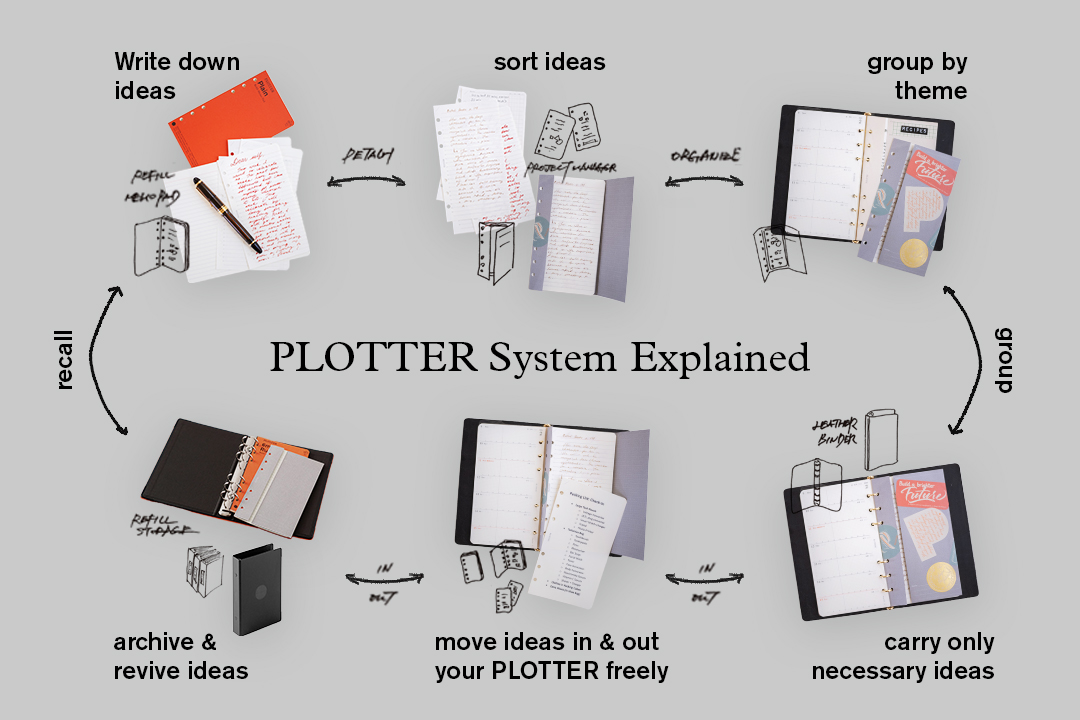
Instead of forcing every thought to live in one fixed notebook, PLOTTER lets your ideas move through a simple cycle: capture, sort, group, carry, archive, and revive.
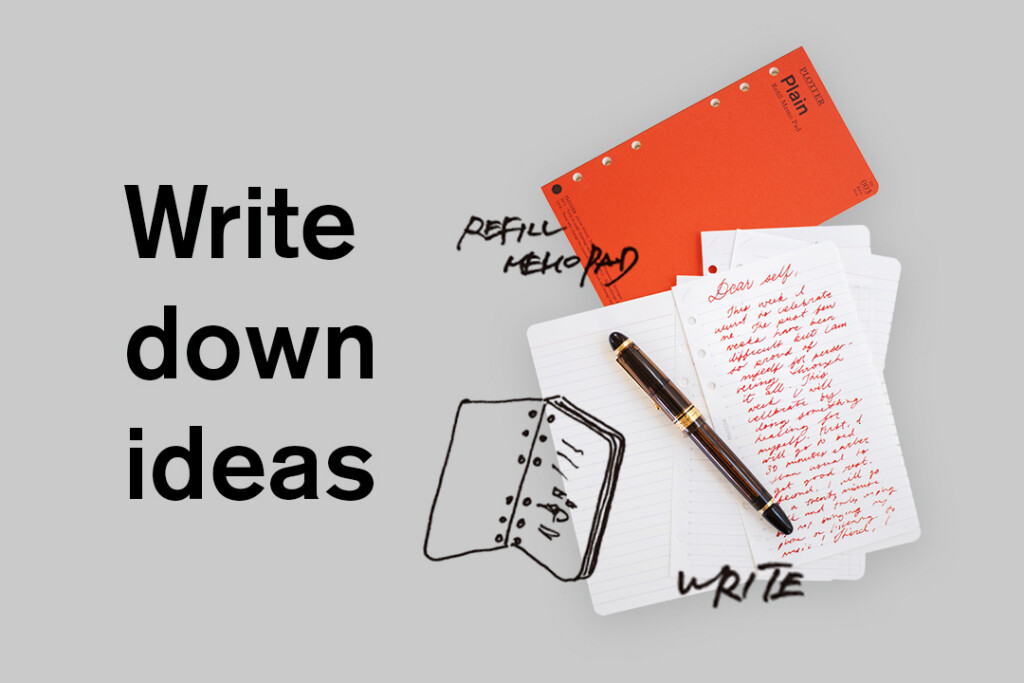
1) Write down your ideas in a Refill Memo Pad
This is where everything begins. Use the PLOTTER Refill Memo Pad as your scratch pad or low-pressure capture zone for rough thoughts, sketches, lists, and sparks.
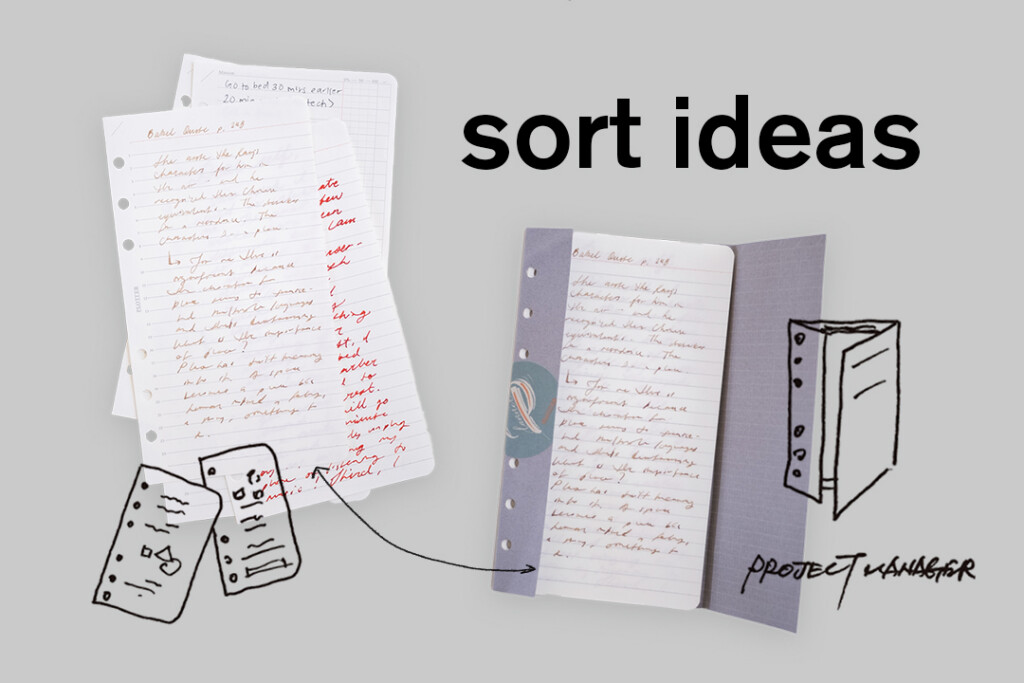
2) Detach the pages you need from the Refill Memo Pad
When you fill out a full page, or when an idea starts to feel worth keeping, you can detach the pages you created from the Refill Memo Pad.
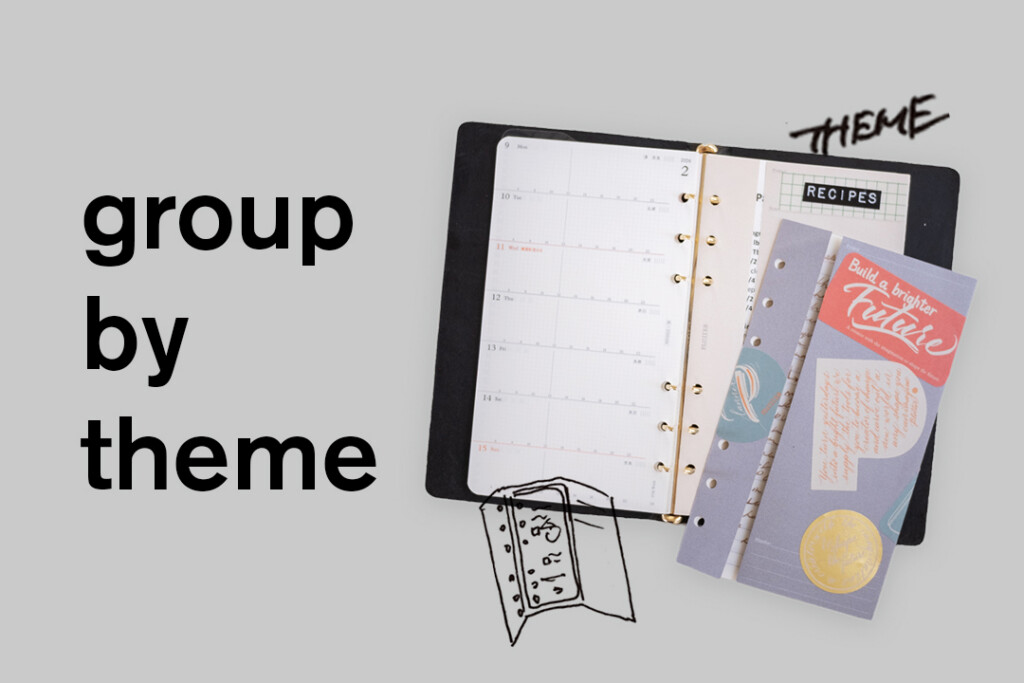
3) Group your pages and ideas by theme using Project Manager folders
Once your ideas are out in the open, you can organize them by what they are becoming. Use Project Manager folders in your PLOTTER to group pages by topic, client, concept, theme, or season.
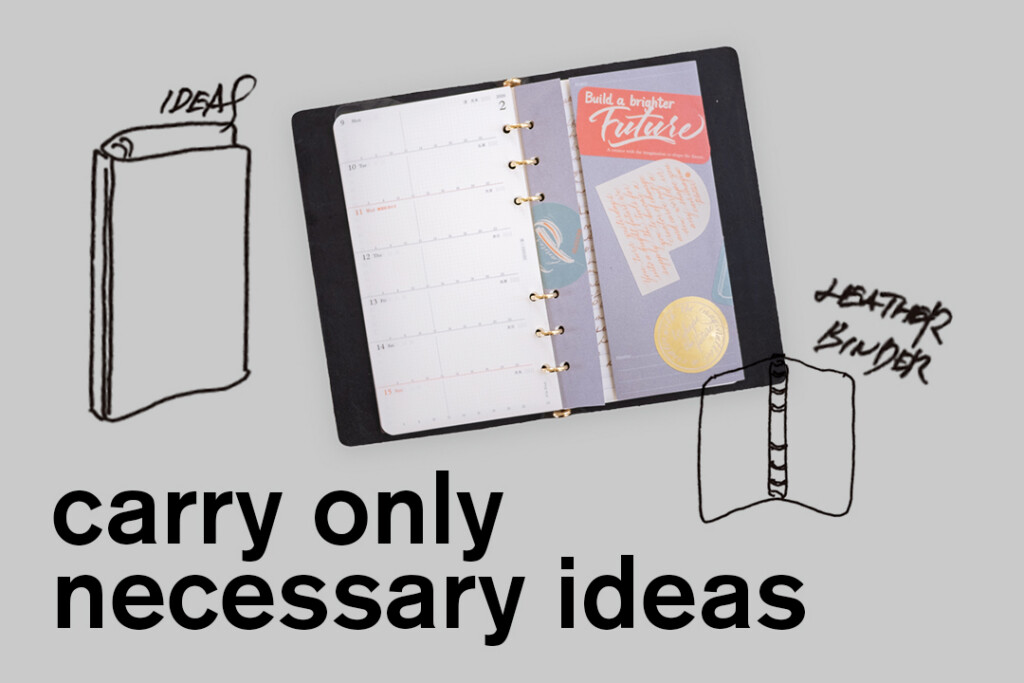
4) Carry only what you need in the PLOTTER Leather Binder
Your work and projects have different “active” seasons. Your PLOTTER Leather Binder becomes your current workspace, where you actively engage with the pages in your PLOTTER. At this stage, you may be reaching for a Refill Memo Pad to further flesh out your ideas on a new page.
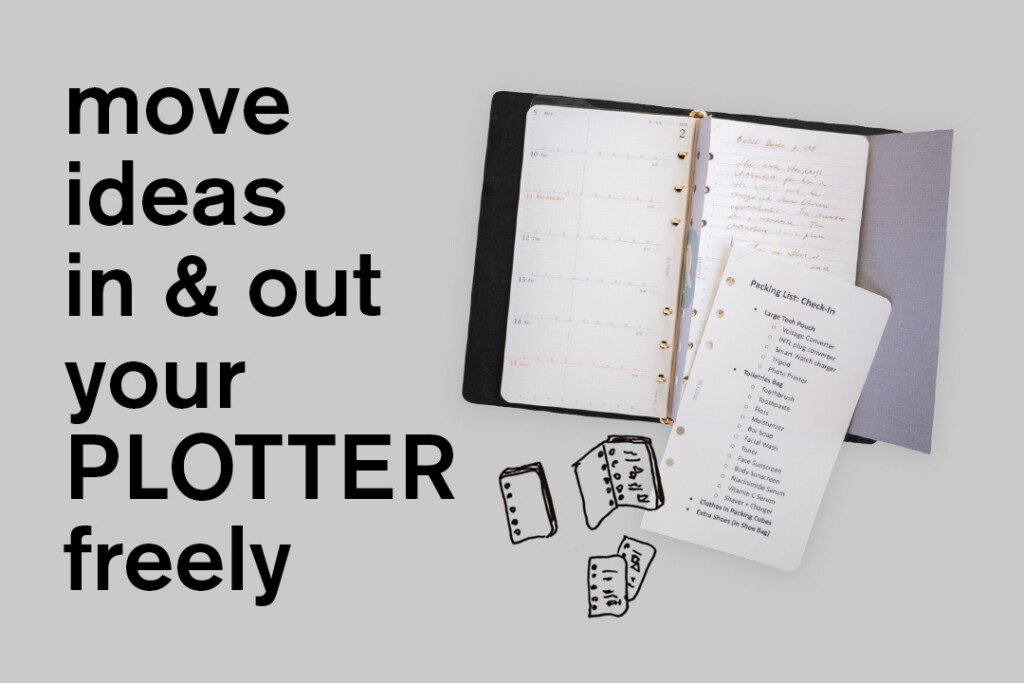
5) Move ideas in and out of your PLOTTER freely
PLOTTER is unique because you can add, remove, reorder, and remix pages whenever your project or ideas evolve. You are not rewriting your work to fit the notebook. PLOTTER adapts to you and your ever-changing thoughts and ideas.
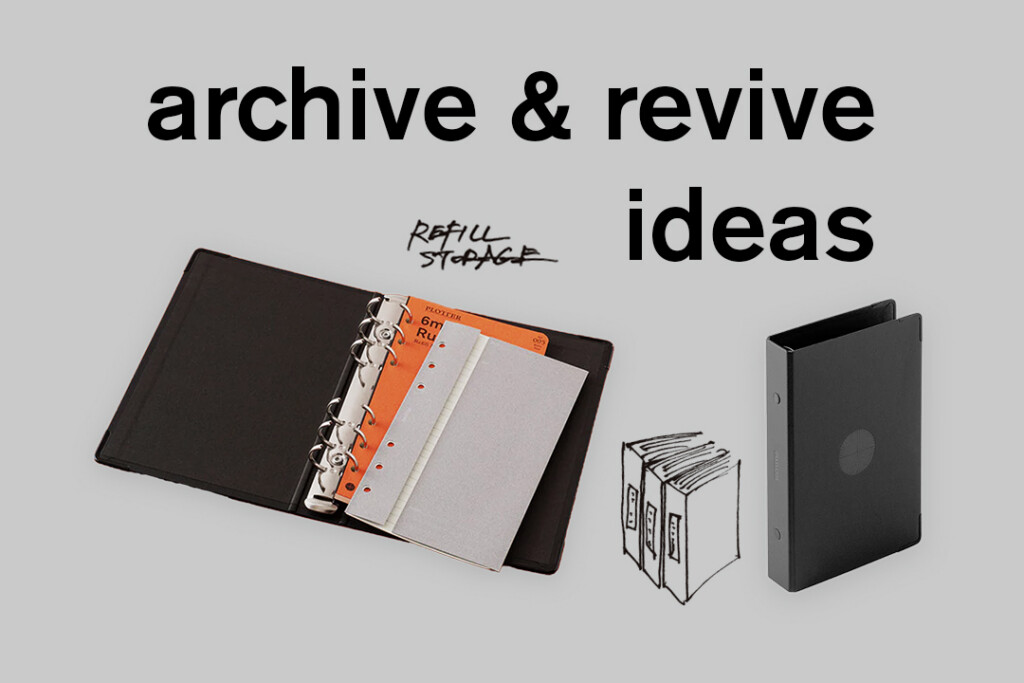
6) Archive old pages and ideas in the Refill Storage
When a page is no longer active, it does not have to disappear. Archive it in a Refill Storage binder. This step is not an ending. It is a pause.
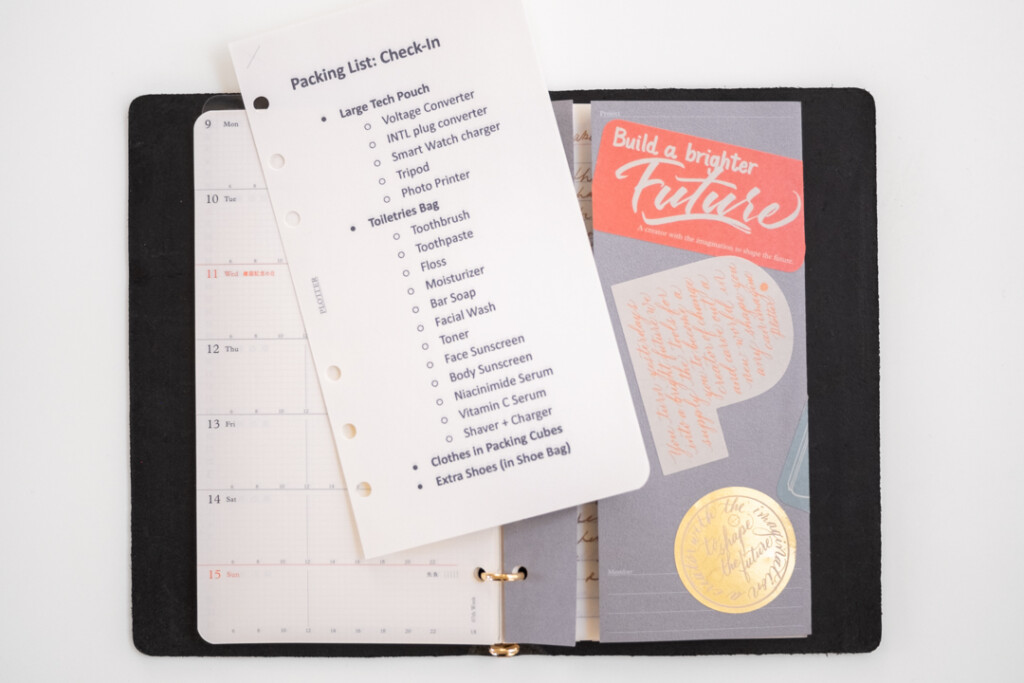
The Cycle Continues: Revive, Reflect, and Restart
Even at the last stage, the cycle starts again because you can revive old ideas and old pages that were once archived in the Refill Storage binder, bring them back into your Leather Binder, and rework them.
Reviewing and reflecting on past work often reveals:
- Connections you did not see at the time.
- Ideas that came “too early” but are right on time now.
- Themes that keep coming back because they matter.
- New directions sparked by old notes.
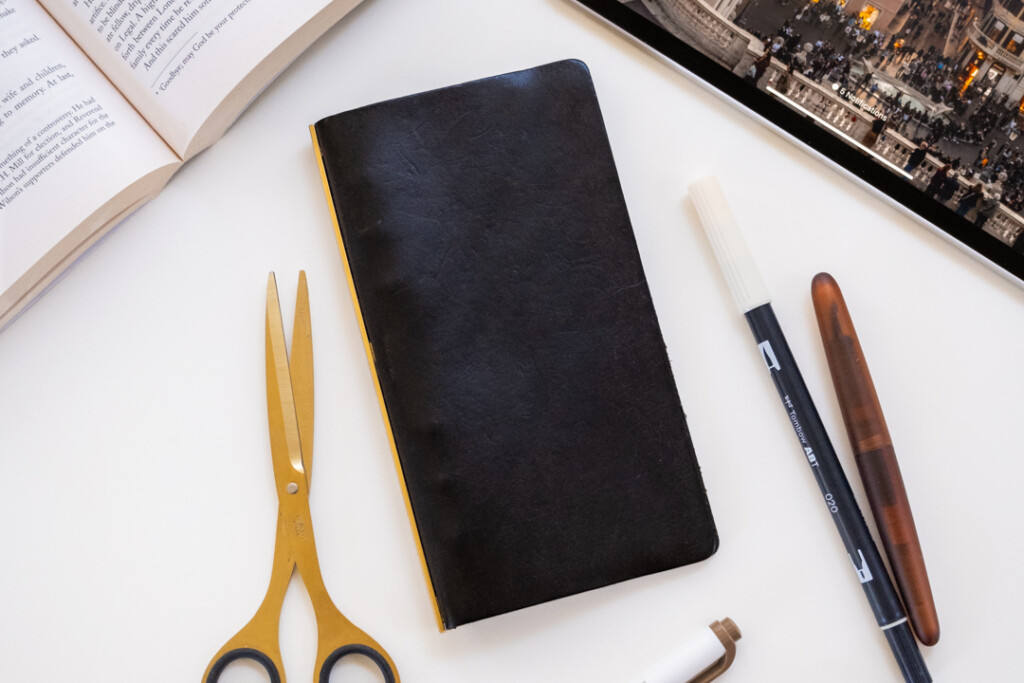
Ideas Stay Alive
As pages move in and out of your Refill Memo Pads, Leather Binders, and Refill Storage, they make up the creative process that helps you move towards your goals and dreams. Going back to the original goal of PLOTTER, we want you to enjoy creative work. Sometimes it is necessary to abandon pages from your system that do not give you joy. Other times, there is great joy in re-encountering old ideas that bring about change, when the timing is right again.
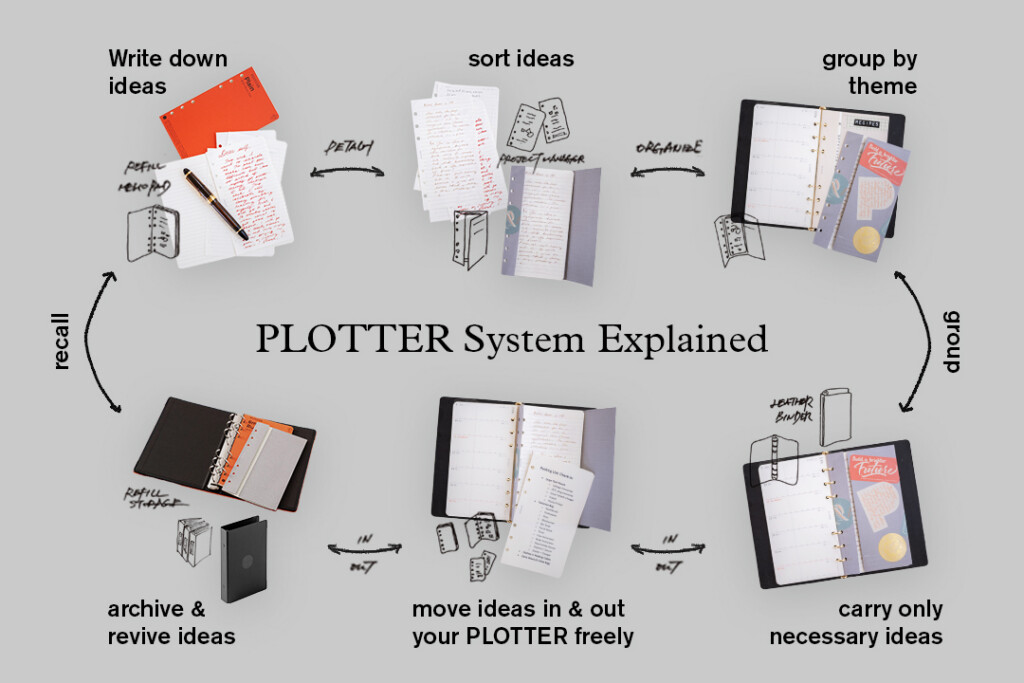
The PLOTTER Cycle is a reminder that creativity works best when it is allowed to move. When you can capture quickly, organize with intention, carry only what matters right now, and archive without losing access to past work, your ideas stay alive.